Introduction
Natural gas is an essential source of energy, widely used in various industries and households worldwide. To ensure the smooth transportation of natural gas across long distances, a reliable compression system is crucial. In this blog post, we will explore the significance of natural gas compression systems, their components, and how they enhance the efficiency and reliability of natural gas transportation.
See More How Does Natural Gas Compression Work Collection
1. Understanding Natural Gas Compression Systems
Natural gas compression systems play a vital role in maintaining the pressure required to transport natural gas efficiently through pipelines. These systems consist of various components designed to compress the gas and ensure its flow without interruptions. The primary components of a natural gas compression system include:
More About Us: SOUTHERN GAS TRADING JSC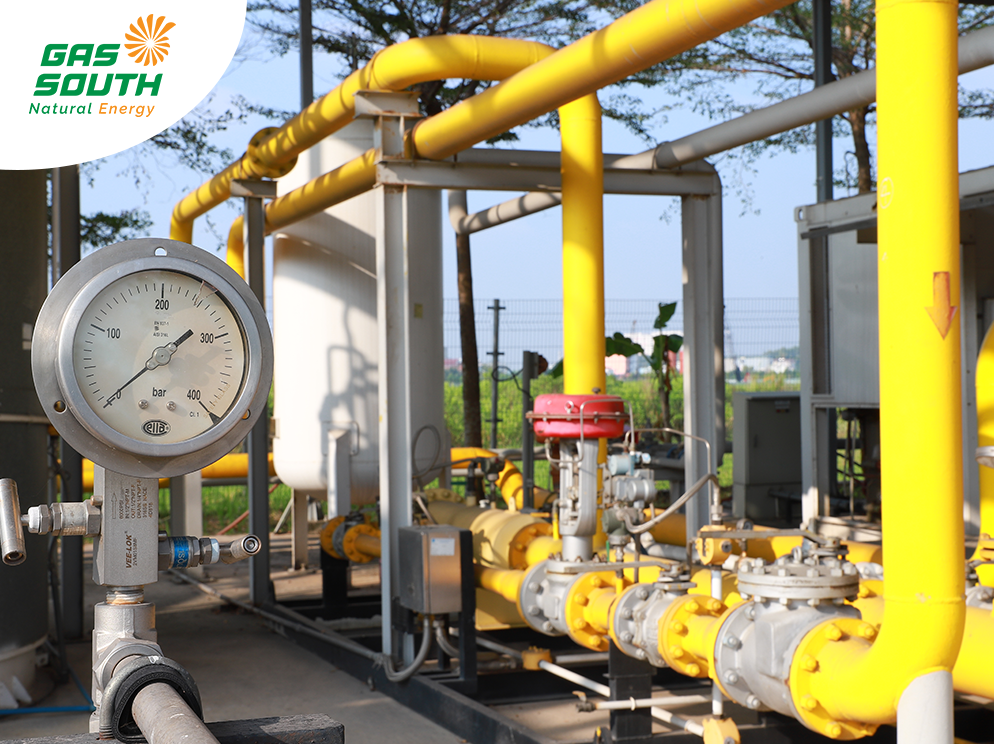
a. Compressors
Compressors are the heart of any gas compression system. They are responsible for increasing the pressure of the natural gas, allowing it to flow through pipelines with ease. Different types of compressors, such as reciprocating, centrifugal, and screw compressors, are utilized based on factors like flow rate, pressure requirements, and operational conditions.
b. Prime Movers
Prime movers provide the necessary power to drive the compressors. Commonly used prime movers include natural gas-fired engines, electric motors, and turbines. The selection of the prime mover depends on factors like energy availability, environmental regulations, and cost-effectiveness.
c. Cooling Systems
Compression generates heat, which must be dissipated to maintain the efficiency of the compression system. Cooling systems, such as air coolers or water coolers, prevent the compressors from overheating and ensure their optimal performance.
d. Filtration and Separation Equipment
To protect the compressors from contaminants and moisture present in the natural gas, filtration and separation equipment are employed. Filters remove solid particles and impurities, while separators remove liquids or moisture from the gas stream, ensuring clean and dry gas enters the compressor.
e. Control and Monitoring Systems
Control and monitoring systems are essential for maintaining the operational efficiency of natural gas compression systems. These systems monitor various parameters like temperature, pressure, flow rate, and vibration levels to ensure smooth operation and prompt detection of any abnormalities or failures.
2. Importance of Natural Gas Compression Systems
Natural gas compression systems are crucial for a variety of reasons. Let's explore some key aspects that highlight their importance:
a. Ensuring Efficient Transportation
Natural gas compression systems elevate the pressure of the gas, allowing it to flow through pipelines over long distances. By maintaining the required pressure levels, these systems enable efficient transportation of natural gas from production sites to distribution centers or end-users.
b. Maximizing Pipeline Capacity
Compression systems increase the capacity of pipelines by maintaining constant pressure levels. This allows for higher volumes of natural gas to be transported within a given timeframe, maximizing overall pipeline efficiency.
c. Reducing Environmental Impact
Efficient compression systems minimize natural gas leakage during transportation. As natural gas is a cleaner-burning fuel compared to other fossil fuels, reducing leakage helps in curbing greenhouse gas emissions and mitigating environmental impact.
d. Enhancing Safety
By ensuring steady gas flow, compression systems prevent the formation of stagnant pockets within the pipelines. This reduces the risk of explosions or accidents caused by the accumulation of flammable gases.
e. Supporting Industrial Applications
Natural gas compression systems are vital for numerous industrial applications that rely on natural gas as a primary energy source. Industries such as power generation, manufacturing, and petrochemicals require a consistent supply of compressed natural gas for their operations.
3. Benefits of Efficient Natural Gas Compression Systems
Efficiency is a key factor when it comes to natural gas compression systems. Here are some significant benefits that efficient systems offer:
a. Cost Savings
Efficient compression systems consume less energy while delivering optimal performance. This leads to substantial cost savings in terms of fuel consumption and maintenance expenses.
b. Increased Reliability
Efficient systems minimize downtime and maintenance requirements due to their robust design and improved reliability. This ensures uninterrupted gas supply and reduces production losses.
c. Improved Operational Flexibility
Efficient compression systems provide greater operational flexibility by adapting to varying flow rates and pressure requirements. They can adjust their output based on demand fluctuations, optimizing resource utilization.
d. Extended Equipment Lifespan
Efficient systems operate within optimum parameters, reducing stress on components and extending their lifespan. This results in reduced equipment replacement costs and increased return on investment.
e. Enhanced Environmental Performance
Efficient compression systems contribute to environmental sustainability by minimizing energy consumption and reducing greenhouse gas emissions. They align with global efforts towards cleaner energy production and consumption.
4. Maintenance and Best Practices for Natural Gas Compression Systems
To ensure optimal performance and longevity of natural gas compression systems, proper maintenance practices must be followed. Here are some essential maintenance tips:
a. Regular Inspection and Monitoring
Frequent inspections of compressors, prime movers, cooling systems, filters, and control systems are necessary to detect any abnormalities or signs of wear and tear. Monitoring various parameters like pressure, temperature, vibration levels, and fluid levels helps identify potential issues before they escalate.
b. Lubrication Management
Appropriate lubrication is crucial for the smooth operation of compressors. Regular oil analysis, lubricant replacement, and adherence to manufacturer guidelines for lubrication intervals are essential for maintaining optimal performance.
c. Filter Replacement and Cleaning
Filters should be regularly inspected and replaced or cleaned as per manufacturer recommendations to prevent contaminants from entering the compressor system. Clean filters ensure efficient operation and minimize the risk of damage to components.
d. Cooling System Maintenance
Cooling systems should be regularly inspected for cleanliness and proper functioning. Clean heat exchangers and cooling fins ensure efficient heat dissipation and prevent overheating of compressors.
e. Training and Education
Providing proper training to operators regarding equipment operation, maintenance procedures, safety protocols, and emergency response is crucial for optimal system performance. Regular training sessions help keep operators updated with the latest practices in the industry.
Conclusion
Natural gas compression systems are essential for efficient and reliable transportation of natural gas across long distances. By understanding their components, importance, benefits, and maintenance practices, we can appreciate their role in ensuring a consistent supply of natural gas for industries and households alike. Implementing efficient compression systems not only enhances operational performance but also contributes to environmental sustainability in our quest for a cleaner energy future.
#natural_gas_compression, #pgscomvn, #pgs_com_vn, #naturalgascompression, #natural_gas_compression, #pgscomvn, #pgs_com_vn/

請先 登入 以發表留言。