Introduction
Natural gas compression fittings play a crucial role in the safe and efficient transportation of natural gas. These fittings are used to connect and seal various components of a natural gas system, ensuring the gas flows smoothly and securely. In this blog post, we will delve into the world of natural gas compression fittings, exploring their functions, types, installation process, and maintenance requirements. Whether you are a homeowner or a professional in the industry, this comprehensive guide will provide you with the knowledge you need to understand and work with natural gas compression fittings effectively.
See More What Is Natural Gas Compression? Collection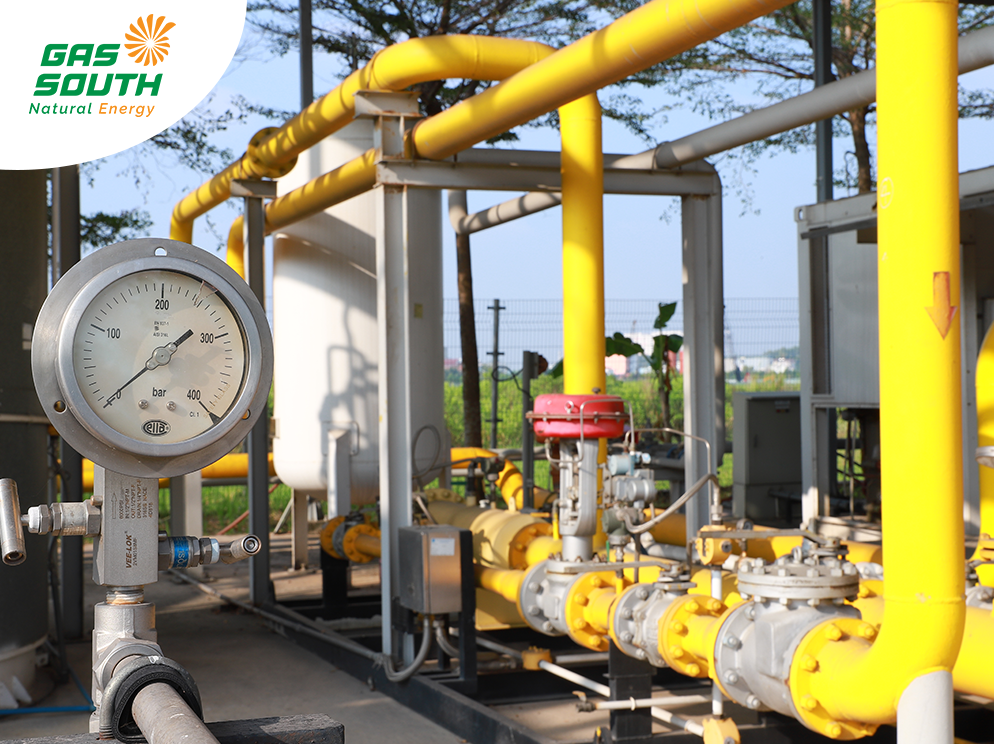
Section 1: Understanding Natural Gas Compression Fittings
Natural gas compression fittings are specialized connectors used to join pipes, hoses, valves, and other equipment in a natural gas system. These fittings create a tight seal that prevents leaks and ensures the safe and efficient flow of gas. They are designed to withstand high-pressure environments and meet stringent safety standards.
More About Us: SOUTHERN GAS TRADING JSC
Section 2: Types of Natural Gas Compression Fittings
There are various types of natural gas compression fittings available, each designed for specific applications. Here are some commonly used types:
1. Compression Couplings
Compression couplings are used to connect two pipes or tubes with the help of compression nuts and ferrules. These fittings are easy to install and provide a secure connection without the need for soldering or welding.
2. Compression Tees
Compression tees are used to create a branching connection in a natural gas system. They allow for the addition of a new line while maintaining the integrity of the existing ones. Compression tees come in different sizes and configurations to suit various installation requirements.
3. Compression Elbows
Compression elbows are used to change the direction of a natural gas pipeline. They offer flexibility in routing the pipeline around obstacles or corners. Compression elbows are available in different angles, such as 90 degrees or 45 degrees, allowing for precise alignment.
4. Compression Unions
Compression unions are used to join two pipes or tubes temporarily or for easy disassembly. They consist of three parts: two compression nuts and a central union body. When tightened, the compression nuts create a secure seal between the pipes.
Section 3: Installation Process
Proper installation of natural gas compression fittings is crucial to ensure their effectiveness and safety. Here is a step-by-step guide to installing these fittings:
Prepare the Pipes: Cut the pipes to the desired length using a pipe cutter or hacksaw. Ensure that the ends are clean, smooth, and free from burrs.
Assemble the Fitting: Slide the compression nut onto the pipe, followed by the ferrule (also known as an olive). Insert the pipe into the fitting body until it reaches the bottom.
Tighten the Nut: Use two wrenches—one to hold the fitting body steady and another to tighten the compression nut. Apply even pressure until you achieve a firm, leak-free connection.
Check for Leaks: After tightening the nut, inspect the connection for any signs of leaks. Apply a leak detection solution or soapy water to detect any escaping gas. If bubbles appear, tighten the nut further or replace damaged components.
Repeat for Multiple Connections: Repeat the installation process for each connection in your natural gas system.
Section 4: Safety Considerations
Working with natural gas comes with inherent risks, and it is crucial to prioritize safety during installation, maintenance, and operation. Here are some key safety considerations when dealing with natural gas compression fittings:
Proper Ventilation: Ensure that the area where you are working has adequate ventilation to prevent the buildup of natural gas and potential explosions.
Gas Detection: Use a reliable gas detector to detect any leaks or buildup of natural gas. Regularly test and calibrate your detector to ensure its accuracy.
Proper Handling: Always handle natural gas compression fittings with care, following manufacturer instructions and industry best practices. Avoid using excessive force during installation or disassembly.
Emergency Preparedness: Familiarize yourself with emergency procedures in case of a natural gas leak or other hazardous situations. Know how to shut off the gas supply and evacuate if necessary.
Section 5: Maintenance and Inspection
Regular maintenance and inspection of natural gas compression fittings are essential to ensure their longevity and safe operation. Here are some tips for maintaining these fittings:
Visual Inspection: Regularly inspect your natural gas compression fittings for any signs of wear, corrosion, or damage. Look for cracks, loose connections, or signs of leakage.
Tighten Loose Connections: If you notice any loose connections during inspection, use wrenches to tighten them until secure. Avoid over-tightening, as it can damage the fitting or cause leaks.
Replace Damaged Components: If you identify any damaged or worn-out components during inspection, replace them promptly with new ones from reputable manufacturers.
Cleanliness: Keep your natural gas compression fittings clean and free from debris or contaminants that could compromise their performance. Use appropriate cleaning agents recommended by manufacturers.
Scheduled Maintenance: Consider implementing a scheduled maintenance program for your natural gas system, including regular checks on compression fittings. This helps identify potential issues before they escalate.
Conclusion
Natural gas compression fittings are vital components of any natural gas system, ensuring safe and efficient transportation of this valuable resource. By understanding different types of fittings, following proper installation procedures, prioritizing safety measures, and conducting regular maintenance, you can ensure that your natural gas system operates optimally while minimizing risks associated with leaks or failures. Remember to consult industry experts or professionals if you encounter any challenges or have specific questions regarding natural gas compression fittings in your unique situation.
#natural_gas_compression, #pgscomvn, #pgs_com_vn, #naturalgascompression, #natural_gas_compression, #pgscomvn, #pgs_com_vn/

請先 登入 以發表留言。