Introduction
As the world becomes more conscious of the environmental impact of traditional fuel sources, alternative energy options are gaining popularity. One such alternative is natural gas, and General Motors (GM) has taken a step forward in this area with their 3.0L natural gas compression engine. In this blog post, we will explore the features, benefits, and potential applications of this innovative technology.
See More Natural Gas Compression Collection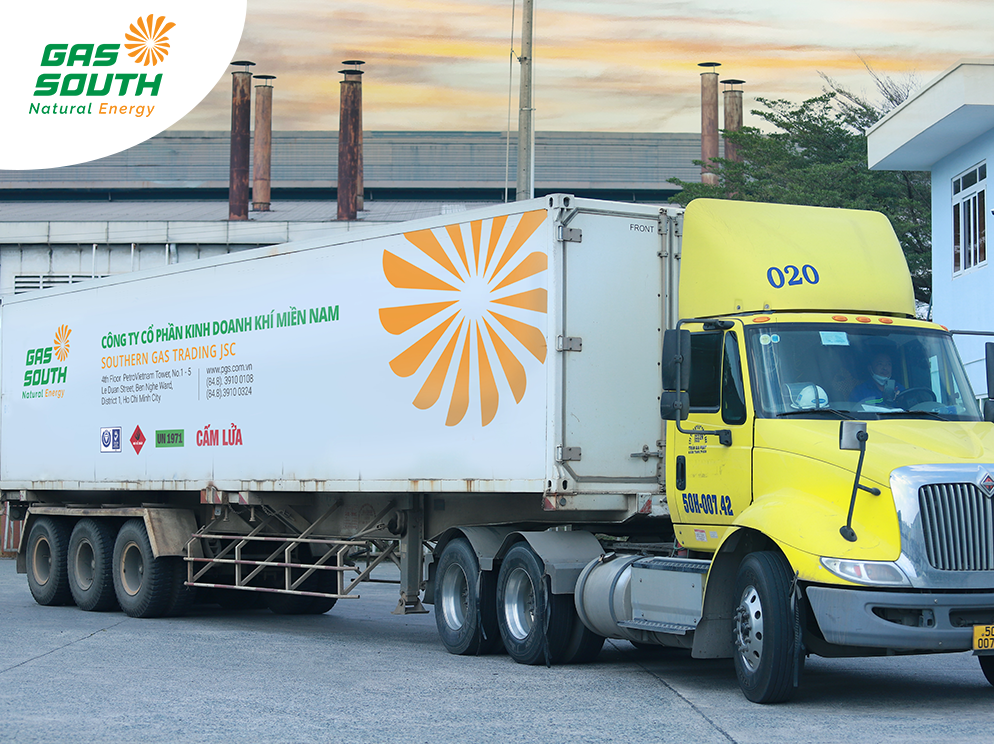
Section 1: Understanding Natural Gas Compression
What is Natural Gas Compression?
Natural gas compression refers to the process of compressing natural gas to increase its density and pressure. This compressed gas can then be used as a fuel source for various applications, including transportation. Natural gas is primarily composed of methane and is considered a cleaner alternative to traditional fossil fuels due to its lower carbon content.
More About Us: SOUTHERN GAS TRADING JSC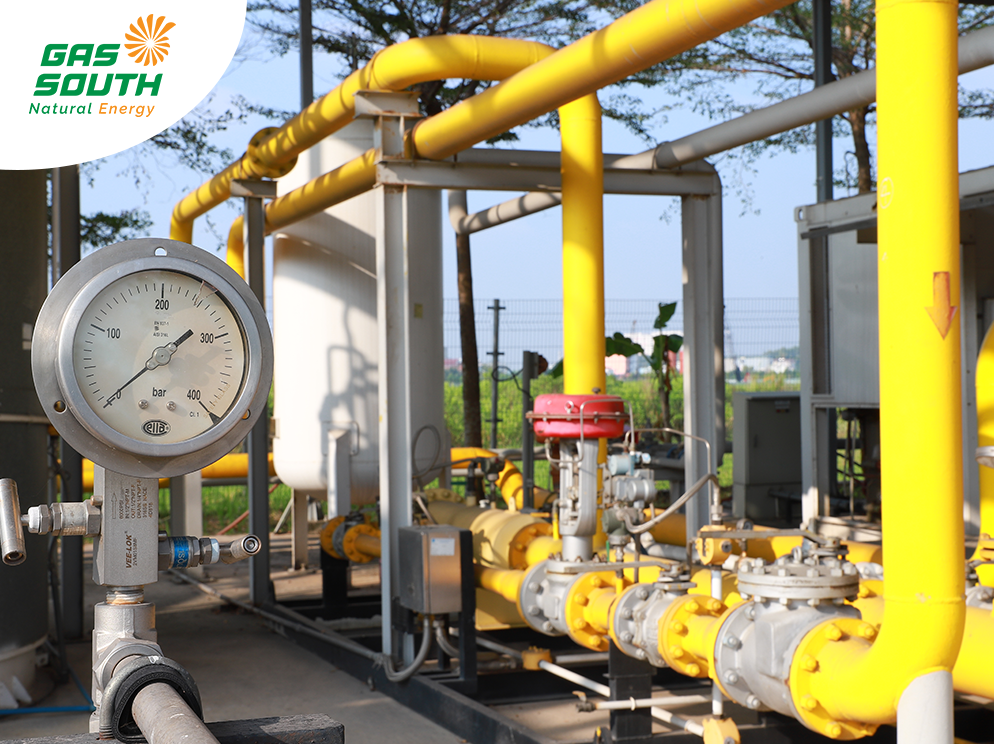
Why Choose Natural Gas Compression?
There are several reasons why natural gas compression is gaining traction as an alternative fuel source:
- Environmental Benefits: Natural gas emits fewer greenhouse gases and pollutants compared to gasoline or diesel, leading to reduced air pollution and a smaller carbon footprint.
- Cost-Effectiveness: Natural gas is often less expensive than gasoline or diesel, making it an attractive option for businesses and consumers alike.
- Domestic Availability: Natural gas reserves are abundant in many regions, reducing dependence on foreign oil imports and promoting national energy security.
Section 2: GM's 3.0L Natural Gas Compression Engine
Overview of GM's 3.0L Engine
General Motors has developed a 3.0L natural gas compression engine that combines power, efficiency, and environmental consciousness. Designed for light-duty vehicles, this engine offers a compelling solution for those looking to adopt cleaner fuel alternatives.
Key Features and Benefits
- Power Output: The 3.0L engine delivers impressive power, ensuring that vehicles maintain their performance while running on natural gas.
- Fuel Efficiency: By utilizing advanced compression technology, GM's engine maximizes the energy potential of natural gas, resulting in improved fuel efficiency.
- Reduced Emissions: Natural gas combustion produces lower emissions of carbon dioxide (CO2), nitrogen oxides (NOx), and particulate matter compared to traditional gasoline or diesel engines.
- Dual-Fuel Capability: GM's engine is designed to seamlessly switch between natural gas and gasoline, providing flexibility and convenience to drivers.
- Durability and Reliability: GM has engineered this engine to meet the rigorous demands of daily driving, ensuring long-term durability and reliability for its users.
Section 3: Applications of GM's 3.0L Natural Gas Compression Engine
Transportation Sector
The transportation sector stands to benefit significantly from GM's 3.0L natural gas compression engine. Here are some potential applications:
- Commercial Fleets: Businesses with large vehicle fleets, such as delivery companies or taxi services, can benefit from the cost savings and reduced emissions offered by natural gas compression technology.
- Public Transportation: City buses and other forms of public transportation can be powered by natural gas compression engines, contributing to cleaner air quality in urban areasYour request failed. Please try again.
#natural_gas_compression, #pgscomvn, #pgs_com_vn, #naturalgascompression, #natural_gas_compression, #pgscomvn, #pgs_com_vn/

請先 登入 以發表留言。