Introduction:
Natural gas is a valuable energy source, and its extraction plays a crucial role in meeting global energy demands. The process of extracting natural gas involves various stages, including compression to ensure its efficient transportation and storage. In this blog post, we will delve into the world of wellsite natural gas compression, exploring its importance, benefits, and the latest advancements in technology. By the end, you will have a comprehensive understanding of how wellsite natural gas compression can maximize efficiency and production in the oil and gas industry.
See More Natural Gas Compression Collection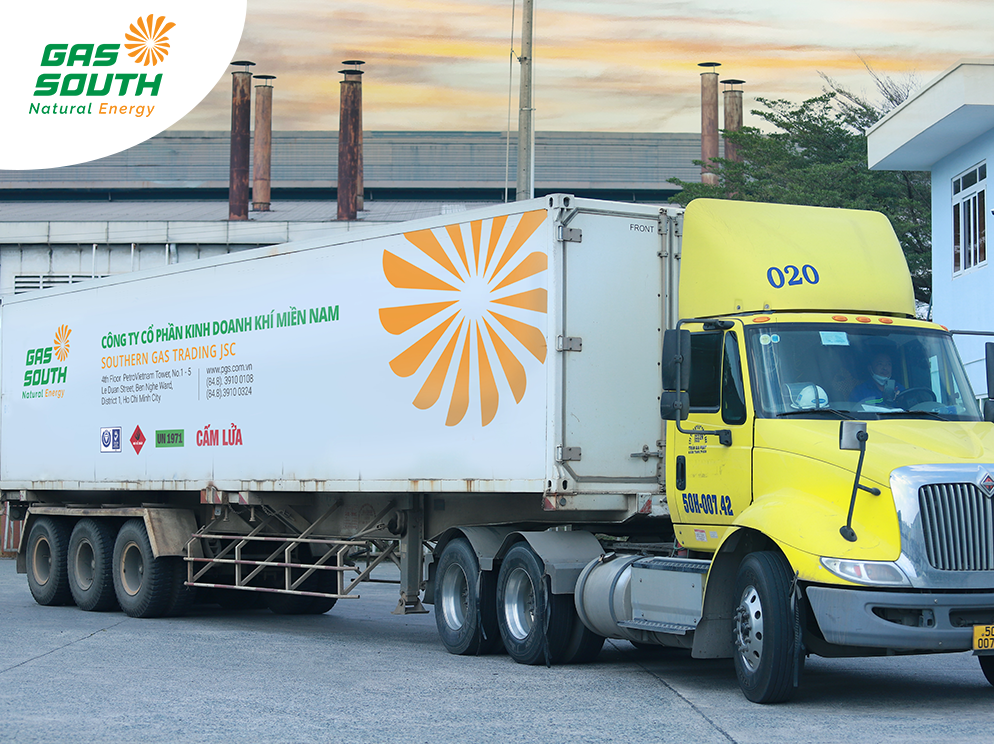
Section 1: Understanding Natural Gas Compression
Before diving into wellsite natural gas compression, let's understand the basics of natural gas compression. Natural gas compression involves reducing the volume of gas to increase its pressure, enabling it to be transported efficiently through pipelines or stored in underground reservoirs. Compression is crucial for maintaining the flow of natural gas while minimizing energy loss during transportation.
More About Us: SOUTHERN GAS TRADING JSC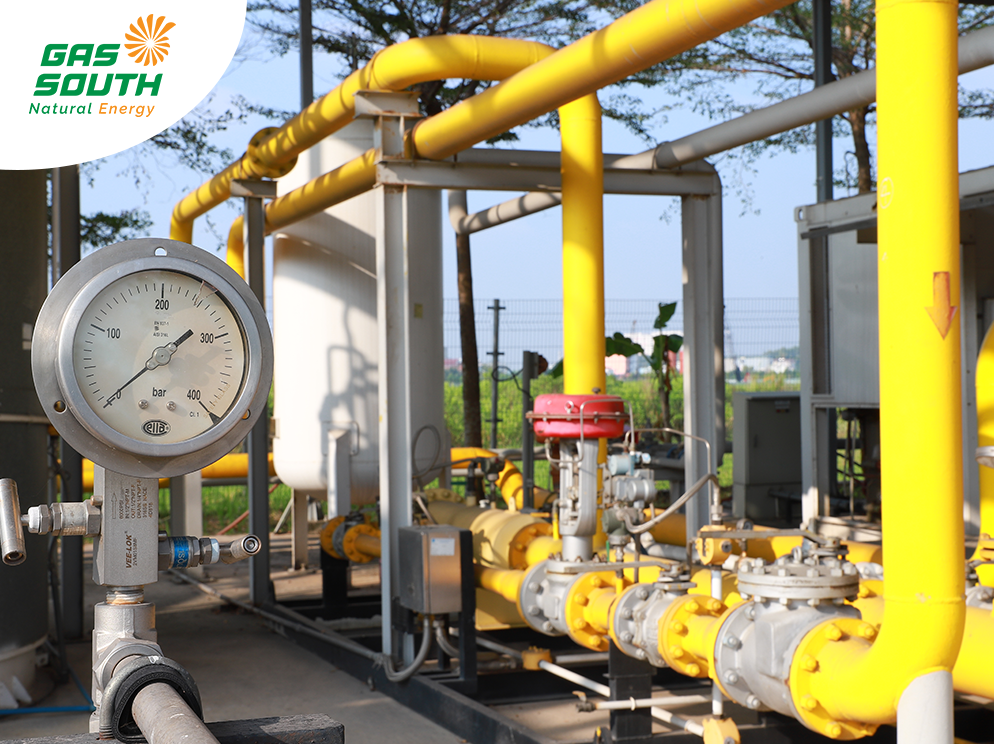
Section 2: Importance of Wellsite Natural Gas Compression
Wellsite natural gas compression refers to the compression of natural gas at the site where it is extracted. This process is essential for several reasons:
2.1 Enhanced Production
By compressing natural gas at the wellsite, operators can maintain optimal pressure levels, ensuring steady production rates. When pressure drops due to long-distance transportation or other factors, wellsite compression helps maintain consistent flow rates, resulting in enhanced production levels.
2.2 Reduced Flaring
Flaring, the controlled burning of natural gas during extraction or production, is a common practice when there is no infrastructure available for capturing or utilizing the gas. However, flaring contributes to greenhouse gas emissions and is considered wasteful. Wellsite natural gas compression allows for capturing and transporting the gas instead of flaring it, reducing environmental impact and maximizing resource utilization.
2.3 Cost Savings
Transporting natural gas over long distances without compression results in significant energy losses and increased costs. Wellsite natural gas compression reduces these losses and minimizes the need for additional compression stations along the transportation route, ultimately leading to cost savings for operators.
2.4 Flexibility and Accessibility
Wellsite natural gas compression provides flexibility by allowing operators to adjust the compression ratio according to specific site requirements. It also enables access to remote or isolated locations where pipeline infrastructure might not be available, allowing for efficient gas extraction and utilization.
Section 3: Types of Wellsite Natural Gas Compression Systems
Wellsite natural gas compression systems come in various configurations, each designed to cater to specific operational needs. Let's explore some of the most common types:
3.1 Reciprocating Compressors
Reciprocating compressors are widely used in wellsite applications due to their reliability and ability to handle varying flow rates. They operate using a piston-cylinder arrangement, where the piston compresses the gas within the cylinder. Reciprocating compressors are suitable for both low and high-pressure applications, making them versatile for wellsite operations.
3.2 Screw Compressors
Screw compressors utilize two interlocking helical rotors to compress the gas. They are known for their compact design, high efficiency, and low maintenance requirements. Screw compressors are suitable for continuous duty applications at moderate to high flow rates.
3.3 Centrifugal Compressors
Centrifugal compressors are commonly used for high-pressure applications where large volumes of gas need to be compressed. They operate based on the principle of centrifugal force, using a rotating impeller to accelerate and compress the gas. Centrifugal compressors are known for their high flow rates and compact size.
Section 4: Advancements in Wellsite Natural Gas Compression Technology
The oil and gas industry continually strives to improve efficiency and reduce environmental impact through technological advancements. Here are some notable advancements in wellsite natural gas compression technology:
4.1 Variable Speed Drives (VSD)
Variable speed drives have revolutionized wellsite natural gas compression by enabling better control over compressor speed according to demand. VSDs adjust the compressor speed based on real-time conditions, optimizing energy consumption and reducing wear on components.
4.2 Remote Monitoring and Control
The integration of advanced sensors, automation systems, and internet connectivity has enabled remote monitoring and control of wellsite natural gas compression systems. Operators can now monitor performance, diagnose issues, and make adjustments from a central control room, improving efficiency and reducing maintenance downtime.
4.3 Enhanced Safety Features
Safety is paramount in the oil and gas industry, and advancements in wellsite natural gas compression technology have led to improved safety features. These include automated shutdown systems, leak detection sensors, and advanced control algorithms that ensure safe operation even under challenging conditions.
Section 5: Best Practices for Wellsite Natural Gas Compression
To maximize efficiency and production with wellsite natural gas compression, operators should adhere to certain best practices:
5.1 Regular Maintenance
Scheduled maintenance of wellsite compression systems is crucial for optimal performance and longevity. Regular inspections, lubrication, and replacement of worn-out parts prevent unexpected breakdowns and minimize downtime.
5.2 Efficient Energy Management
Implementing energy-efficient practices such as utilizing waste heat recovery systems and optimizing compressor speed can significantly reduce energy consumption and operational costs.
5.3 Real-time Monitoring and Analysis
Leveraging advanced data analytics tools allows operators to monitor key performance indicators in real-time, identify inefficiencies, and make informed decisions for process optimization.
Conclusion:
Wellsite natural gas compression plays a vital role in maximizing efficiency and production in the oil and gas industry. By understanding its importance, exploring different types of compression systems, staying updated on technological advancements, and following best practices, operators can achieve optimal performance while minimizing environmental impact and operational costs. Embracing innovation and constantly striving for improvement will pave the way for a sustainable future in natural gas extraction and utilization.
#natural_gas_compression, #pgscomvn, #pgs_com_vn, #naturalgascompression, #natural_gas_compression, #pgscomvn, #pgs_com_vn/

請先 登入 以發表留言。