Introduction
Natural gas is one of the most important energy sources in the world, and its efficient transportation is crucial for meeting the rising demand. Natural gas compression stations play a vital role in this process by facilitating the movement of natural gas through pipelines. In this blog post, we will explore the importance of natural gas compression stations, their components, how they work, and their environmental impact.
See More Natural Gas Compression Collection
1. What Are Natural Gas Compression Stations?
Natural gas compression stations are facilities that compress natural gas to increase its pressure, making it easier to transport through pipelines. These stations are strategically located along the pipeline network to ensure a smooth and continuous flow of natural gas. Compressor units are the heart of these stations, providing the necessary pressure to move the gas from one point to another.
More About Us: SOUTHERN GAS TRADING JSC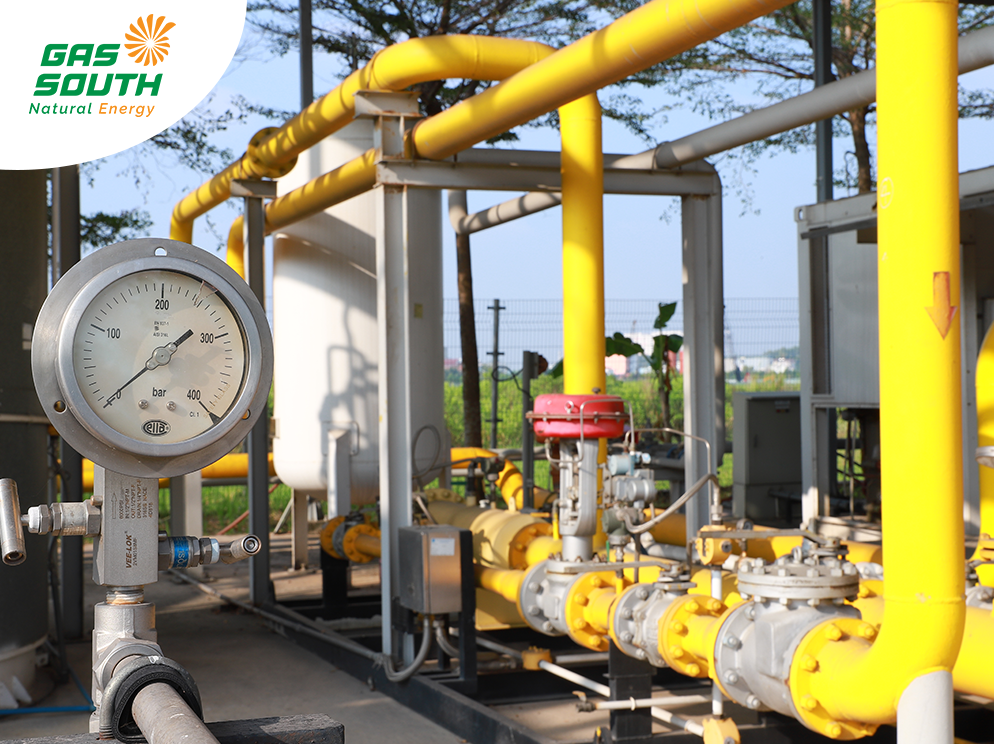
2. Components of Natural Gas Compression Stations
2.1 Compressor Units
Compressor units are the primary components of natural gas compression stations. These units consist of various mechanical parts, including cylinders, pistons, valves, and electric motors. The compressor unit's main function is to increase the pressure of natural gas, allowing it to flow through the pipeline network efficiently.
2.2 Gas Coolers
Gas coolers are used to remove excess heat generated during the compression process. As the gas gets compressed, its temperature rises. Gas coolers help to cool down the gas before it enters the next stage of compression or continues its journey through the pipeline. Cooling the gas improves its efficiency and ensures the safety of the equipment.
2.3 Filters and Separators
Filters and separators are essential components of natural gas compression stations as they help remove impurities and contaminants from the gas stream. These impurities can include water, solids, and other hydrocarbons that may have been present in the natural gas during extraction or transportation. Removing these impurities ensures the integrity of the pipeline system and prevents damage to equipment downstream.
2.4 Gas Metering Equipment
Gas metering equipment is installed at natural gas compression stations to measure and monitor the flow rate of gas passing through the station. Accurate metering is crucial for billing purposes, as well as for maintaining system balance and ensuring compliance with regulatory standards.
3. How Do Natural Gas Compression Stations Work?
Natural gas compression stations operate based on the principles of Boyle's Law and Bernoulli's Principle. Boyle's Law states that as the volume of a gas decreases, its pressure increases, assuming a constant temperature. Bernoulli's Principle relates the velocity of a fluid to its pressure.
When natural gas enters a compression station, it passes through various stages of compression. In each stage, the gas is compressed using compressor units powered by electric motors. As the gas passes through each stage, its pressure increases while its volume decreases. Gas coolers are used at strategic points to cool down the gas and maintain its temperature within safe limits.
The compressed natural gas then continues its journey through pipelines to reach end consumers such as power plants, industrial facilities, and residential areas. Along the way, additional compression stations may be required depending on the distance and pressure requirements.
4. Environmental Impact of Natural Gas Compression Stations
While natural gas is considered a cleaner fossil fuel compared to coal or oil, there are still environmental considerations associated with its compression and transportation.
4.1 Emissions
During the compression process, some natural gas may escape into the atmosphere as methane emissions, which is a potent greenhouse gas. However, advancements in technology and improved operational practices have significantly reduced methane emissions from compression stations in recent years. Regular maintenance and leak detection programs help minimize emissions and ensure efficient operation.
4.2 Energy Consumption
Natural gas compression stations require a significant amount of energy to operate. The electric motors that power the compressor units consume electricity, which may come from various sources such as natural gas itself or other energy sources like renewable energy or fossil fuels. The choice of energy source for powering compression stations can impact their overall carbon footprint.
4.3 Environmental Regulations
To mitigate the environmental impact of natural gas compression stations, regulatory standards have been put in place in many countries. These regulations aim to minimize emissions, improve energy efficiency, and ensure compliance with environmental standards. Compliance with these regulations is essential for operators to maintain their operations and reduce their environmental footprint.
5. Conclusion
Natural gas compression stations are vital infrastructure for the transportation of natural gas across long distances. They enable efficient movement of natural gas through pipelines by increasing its pressure using compressor units and other components such as gas coolers, filters, separators, and metering equipment.
Although natural gas compression stations have an environmental impact in terms of emissions and energy consumption, advancements in technology and regulatory standards have significantly reduced their footprint in recent years. With ongoing efforts towards sustainability and innovation, natural gas compression stations continue to play a crucial role in meeting global energy demand while minimizing their impact on the environment.
#natural_gas_compression, #pgscomvn, #pgs_com_vn, #naturalgascompression, #natural_gas_compression, #pgscomvn, #pgs_com_vn/

請先 登入 以發表留言。