Introduction
Natural gas plays a pivotal role in meeting the energy demands of various industries. To effectively transport and distribute this valuable resource, compression stations are essential. In this blog post, we will explore the average cost of natural gas compression stations, their components, and the factors that influence their pricing.
See More Natural Gas Compression Collection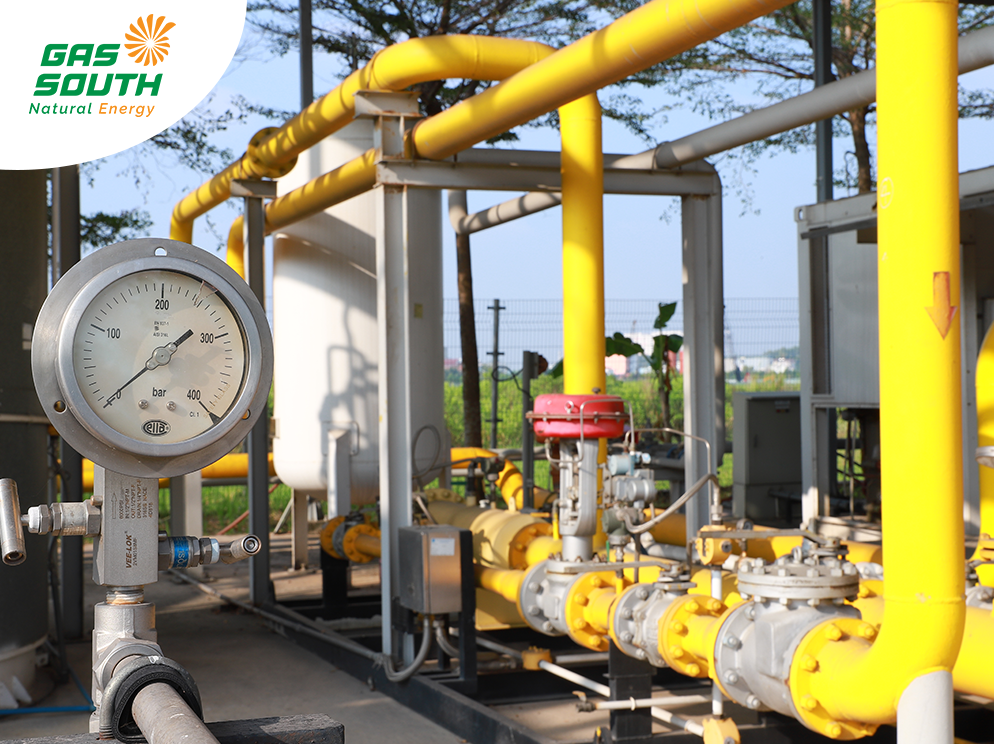
Section 1: Understanding Natural Gas Compression Stations
Before delving into the costs associated with natural gas compression stations, it is important to understand what they are and how they function. Natural gas compression stations serve as intermediate facilities along pipeline networks, where natural gas undergoes compression to maintain pressure and ensure efficient transport.
More About Us: SOUTHERN GAS TRADING JSC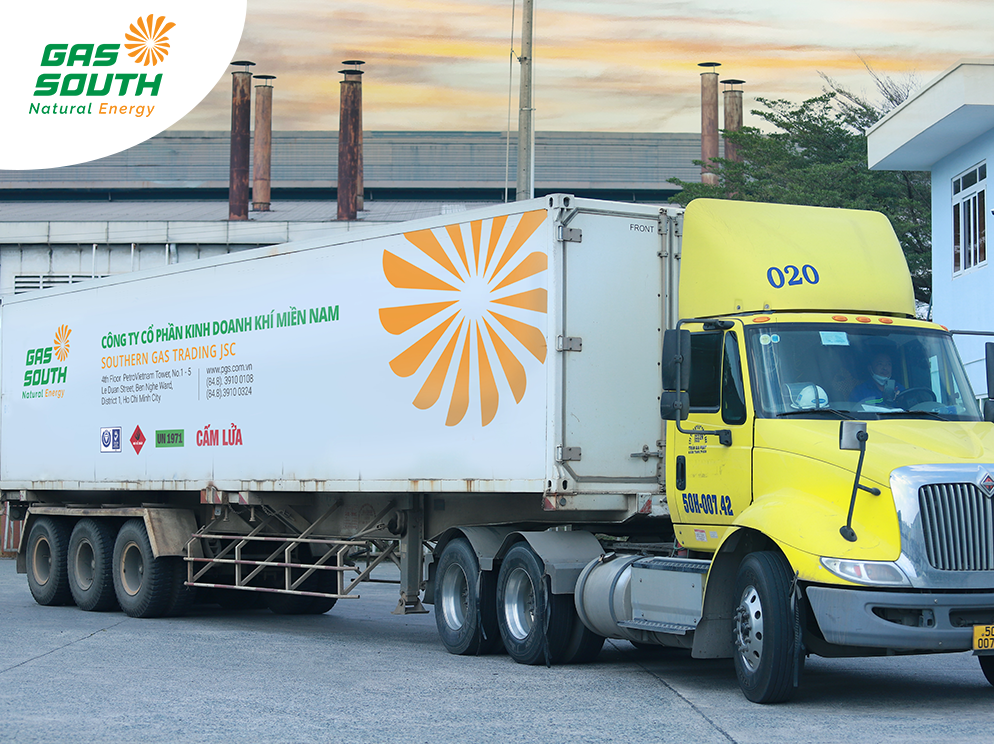
Compression stations consist of several components, including compressors, engines or turbines, coolers, filters, and auxiliary systems. These systems work together to increase the pressure of the natural gas, allowing it to travel long distances across pipelines.
Section 2: Factors Influencing the Cost of Natural Gas Compression Stations
The cost of constructing a natural gas compression station can vary significantly depending on several factors. Let's explore some of the key factors that influence the overall cost:
2.1 Project Scale and Capacity
The size and capacity of a compression station have a direct impact on its cost. Larger stations with higher capacity require more equipment, materials, and labor, resulting in increased construction expenses.
2.2 Equipment and Technology
The type of equipment and technology used in a compression station can significantly affect the cost. Advanced technologies and high-quality equipment may come at a higher price point but can offer enhanced efficiency and operational benefits in the long run.
2.3 Site Location and Accessibility
The location of the compression station plays a crucial role in determining its cost. Remote or inaccessible areas may require additional infrastructure development, such as roads or power supply, which can add to the overall expenses.
2.4 Environmental and Regulatory Compliance
Compliance with environmental regulations and safety standards is vital in the construction of compression stations. The need for specialized engineering, safety measures, and environmental mitigation can increase the overall project cost.
2.5 Market Conditions and Labor Costs
Market conditions and labor costs also impact the average cost of constructing a compression station. Fluctuations in raw material prices, availability of skilled labor, and demand for construction services can influence the overall project budget.
Section 3: Average Cost Breakdown of Natural Gas Compression Stations
Now that we have explored the key factors influencing the cost, let's delve into the average cost breakdown of natural gas compression stations:
3.1 Engineering and Design Costs
The initial stage of any compression station project involves engineering and design work. This includes conducting feasibility studies, preparing detailed engineering designs, and obtaining necessary permits. On average, engineering and design costs can range from £50,000 to £250,000.
3.2 Equipment Costs
Compressors, engines or turbines, coolers, filters, and other auxiliary equipment make up a significant portion of the overall cost. Depending on the capacity and technology employed, equipment costs can vary greatly. On average, equipment costs can range from £500,000 to £2 million.
3.3 Construction Costs
Construction costs encompass activities such as site preparation, civil works, installation of equipment and piping systems, and electrical works. The complexity of the project and site conditions directly impact construction costs. On average, construction costs can range from £1 million to £10 million.
3.4 Land Acquisition Costs
Acquiring suitable land for the compression station is another expense to consider. The cost of land varies greatly depending on location, accessibility, and local real estate market conditions. Land acquisition costs can range from £100,000 to £500,000.
3.5 Contingency Budget
To account for unforeseen circumstances and changes during construction, it is essential to include a contingency budget. Typically, a contingency budget can range from 5% to 15% of the total project cost.
Section 4: Case Study: Average Cost Example
To provide a real-world example, let's consider a hypothetical scenario where we build a natural gas compression station with a capacity of 50 million cubic feet per day (MMcf/d). Here is a breakdown of the estimated costs for this project:
- Engineering and Design Costs: £150,000
- Equipment Costs: £1.5 million
- Construction Costs: £5 million
- Land Acquisition Costs: £250,000
- Contingency Budget (10%): £950,000
Based on these estimates, the total average cost for this 50 MMcf/d natural gas compression station would be approximately £7.85 million.
Section 5: Conclusion
Natural gas compression stations are critical infrastructure for transporting natural gas efficiently across pipelines. The average cost of constructing such stations depends on various factors such as project scale, equipment used, site location, regulatory compliance, market conditions, and labor costs.
Understanding these factors and their impact on overall costs is crucial for project planning and budgeting purposes. By considering these factors during the initial stages of designing a natural gas compression station, operators can better estimate project costs and ensure successful implementation within budgetary constraints.
Remember that each project is unique, so it is essential to consult with industry experts and professionals to obtain accurate cost estimates based on specific requirements and circumstances.
#natural_gas_compression, #pgscomvn, #pgs_com_vn, #naturalgascompression, #natural_gas_compression, #pgscomvn, #pgs_com_vn/

請先 登入 以發表留言。