Description:
In this blog post, we will explore the world of natural gas compression and its crucial role in the energy industry. We will delve into the process of natural gas compression, its applications, benefits, and the technologies involved. Join us as we uncover the significance of natural gas compression in meeting the growing energy demands of our world today.
See More Natural Gas Compression Collection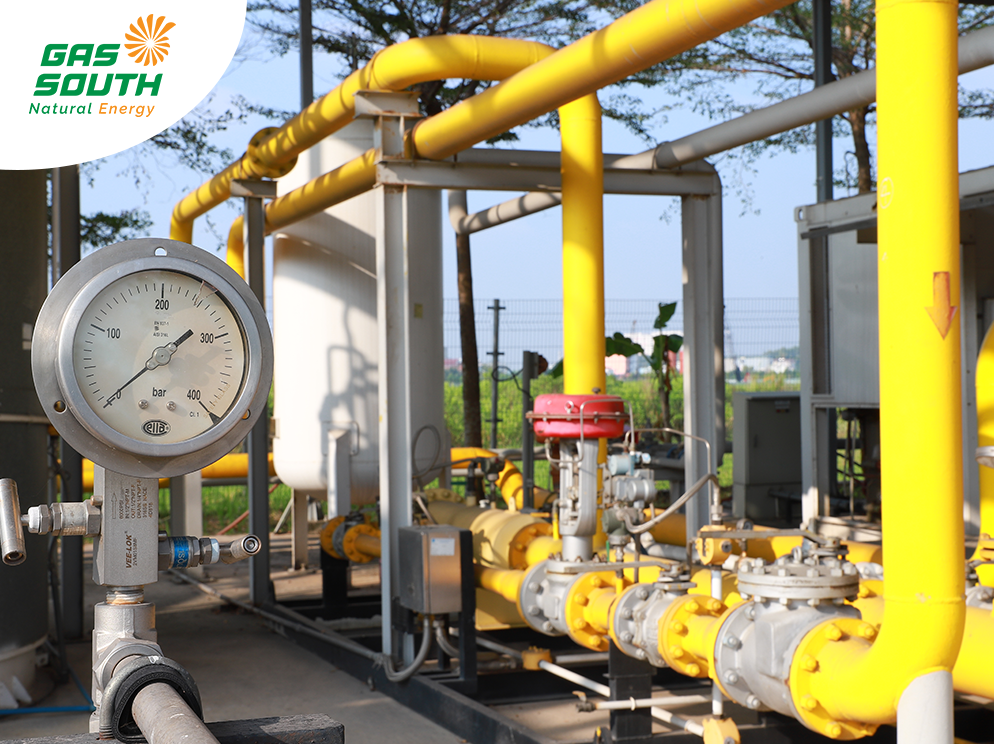
1. Introduction
Natural gas is a valuable energy resource that plays a significant role in powering industries, homes, and transportation. However, its extraction and transportation require efficient methods to ensure its safe and reliable delivery. This is where natural gas compression comes into play.
More About Us: SOUTHERN GAS TRADING JSC
2. What is Natural Gas Compression?
Natural gas compression is the process of increasing the pressure of natural gas to facilitate its transportation through pipelines or storage in underground facilities. This compression is necessary because natural gas, in its natural state, has low density and pressure, making it challenging to transport efficiently over long distances.
3. The Role of Natural Gas Compression
Natural gas compression serves several important purposes in the energy industry:
a. Facilitating Transportation
By compressing natural gas, it becomes more manageable to transport over vast distances via pipelines. The compressed gas can travel at higher speeds and flow rates, ensuring a steady supply to consumers.
b. Storage and Distribution
Natural gas compression allows for efficient storage in underground facilities, such as salt caverns or depleted oil and gas reservoirs. These facilities act as a reserve for times of high demand or emergencies.
c. Enhanced Extraction
In certain cases, natural gas compression is employed during the extraction process itself. Compression can increase reservoir pressure, helping to extract more gas from the well and improve overall production rates.
4. Types of Natural Gas Compressors
There are various types of compressors used in natural gas compression, each with its own advantages and applications:
a. Reciprocating Compressors
Reciprocating compressors use a piston-cylinder mechanism to compress natural gas. These compressors are highly versatile and can handle varying flow rates and pressures. They are commonly used in small to medium-scale applications or as booster compressors in larger systems.
b. Centrifugal Compressors
Centrifugal compressors rely on centrifugal force to accelerate and compress the gas. They are suitable for high flow rate applications and can handle large volumes of natural gas efficiently. Centrifugal compressors find widespread use in large-scale natural gas transmission pipelines.
c. Screw Compressors
Screw compressors utilize two interlocking helical rotors to compress the gas. They are known for their reliability, efficiency, and ability to handle varying loads. Screw compressors are commonly used in midstream and downstream applications such as gas processing plants and natural gas liquefaction facilities.
d. Diaphragm Compressors
Diaphragm compressors use flexible diaphragms instead of pistons to compress the gas. They are widely used in applications where contamination or leakage must be avoided, such as in the production of high-purity gases or handling corrosive gases.
5. Benefits of Natural Gas Compression
Natural gas compression offers several benefits that contribute to the overall efficiency and reliability of the energy industry:
a. Increased Efficiency
By compressing natural gas, it becomes more compact, allowing for greater volumes to be transported over longer distances with minimal energy loss. This increased efficiency translates into cost savings for both producers and consumers.
b. Reliable Supply
Natural gas compression ensures a steady and reliable supply of gas to consumers by maintaining optimal pressure levels throughout the transportation and distribution process. This reliability is crucial for industries, power plants, and residential users who rely on natural gas for their daily operations.
c. Environmental Considerations
Compressed natural gas (CNG) can be used as a cleaner-burning alternative fuel for vehicles, reducing emissions compared to traditional gasoline or diesel engines. Natural gas compression enables the storage and distribution of CNG, promoting its use as a greener energy source.
6. Advanced Technologies in Natural Gas Compression
The field of natural gas compression has seen advancements in technologies aimed at improving efficiency, reducing emissions, and enhancing safety:
a. Variable Frequency Drives (VFDs)
VFDs allow for precise control of compressor speed and power consumption based on demand. By adjusting the compressor's speed to match the required flow rate, VFDs optimize energy usage and reduce wear on mechanical components.
b. Integrated Control Systems
Advanced control systems enable real-time monitoring and optimization of compressor performance. These systems utilize sensors, data analytics, and machine learning algorithms to identify potential issues, optimize operational parameters, and reduce maintenance requirements.
c. Remote Monitoring and Diagnostics
Remote monitoring systems enable operators to monitor compressor performance from a central location, reducing the need for onsite personnel and improving response times in case of abnormalities or failures. This technology enhances safety and operational efficiency.
7. Conclusion
Natural gas compression is a vital aspect of the energy industry, enabling efficient transportation, storage, and distribution of this valuable resource. The various types of compressors cater to different applications, while advancements in technology continue to improve efficiency and reduce environmental impact. With the growing global demand for energy, the role of natural gas compression will only become more crucial in meeting these needs sustainably.
Remember to leave your comments below if you have any questions or would like to share your thoughts on natural gas compression!
#natural_gas_compression, #pgscomvn, #pgs_com_vn, #naturalgascompression, #natural_gas_compression, #pgscomvn, #pgs_com_vn/

請先 登入 以發表留言。