Introduction


As the world becomes more conscious of the environmental impact of traditional fuel sources, alternative energy options are gaining popularity. One such alternative is natural gas, and General Motors (GM) has taken a step forward in this area with their 3.0L natural gas compression engine. In this blog post, we will explore the features, benefits, and potential applications of this innovative technology.
See More Natural Gas Compression Collection

Section 1: Understanding Natural Gas Compression


What is Natural Gas Compression?


Natural gas compression refers to the process of compressing natural gas to increase its density and pressure. This compressed gas can then be used as a fuel source for various applications, including transportation. Natural gas is primarily composed of methane and is considered a cleaner alternative to traditional fossil fuels due to its lower carbon content.
More About Us: SOUTHERN GAS TRADING JSC

Why Choose Natural Gas Compression?


There are several reasons why natural gas compression is gaining traction as an alternative fuel source:


  1. Environmental Benefits: Natural gas emits fewer greenhouse gases and pollutants compared to gasoline or diesel, leading to reduced air pollution and a smaller carbon footprint.

  2. Cost-Effectiveness: Natural gas is often less expensive than gasoline or diesel, making it an attractive option for businesses and consumers alike.

  3. Domestic Availability: Natural gas reserves are abundant in many regions, reducing dependence on foreign oil imports and promoting national energy security.


Section 2: GM's 3.0L Natural Gas Compression Engine


Overview of GM's 3.0L Engine


General Motors has developed a 3.0L natural gas compression engine that combines power, efficiency, and environmental consciousness. Designed for light-duty vehicles, this engine offers a compelling solution for those looking to adopt cleaner fuel alternatives.


Key Features and Benefits


  1. Power Output: The 3.0L engine delivers impressive power, ensuring that vehicles maintain their performance while running on natural gas.

  2. Fuel Efficiency: By utilizing advanced compression technology, GM's engine maximizes the energy potential of natural gas, resulting in improved fuel efficiency.

  3. Reduced Emissions: Natural gas combustion produces lower emissions of carbon dioxide (CO2), nitrogen oxides (NOx), and particulate matter compared to traditional gasoline or diesel engines.

  4. Dual-Fuel Capability: GM's engine is designed to seamlessly switch between natural gas and gasoline, providing flexibility and convenience to drivers.

  5. Durability and Reliability: GM has engineered this engine to meet the rigorous demands of daily driving, ensuring long-term durability and reliability for its users.


Section 3: Applications of GM's 3.0L Natural Gas Compression Engine


Transportation Sector


The transportation sector stands to benefit significantly from GM's 3.0L natural gas compression engine. Here are some potential applications:


  1. Commercial Fleets: Businesses with large vehicle fleets, such as delivery companies or taxi services, can benefit from the cost savings and reduced emissions offered by natural gas compression technology.

  2. Public Transportation: City buses and other forms of public transportation can be powered by natural gas compression engines, contributing to cleaner air quality in urban areasYour request failed. Please try again.

seoprojectpgs 發表在 痞客邦 留言(0) 人氣()


Introduction


Natural gas compression fittings play a crucial role in the safe and efficient transportation of natural gas. These fittings are used to connect and seal various components of a natural gas system, ensuring the gas flows smoothly and securely. In this blog post, we will delve into the world of natural gas compression fittings, exploring their functions, types, installation process, and maintenance requirements. Whether you are a homeowner or a professional in the industry, this comprehensive guide will provide you with the knowledge you need to understand and work with natural gas compression fittings effectively.
See More What Is Natural Gas Compression? Collection

Section 1: Understanding Natural Gas Compression Fittings


Natural gas compression fittings are specialized connectors used to join pipes, hoses, valves, and other equipment in a natural gas system. These fittings create a tight seal that prevents leaks and ensures the safe and efficient flow of gas. They are designed to withstand high-pressure environments and meet stringent safety standards.
More About Us: SOUTHERN GAS TRADING JSC

Section 2: Types of Natural Gas Compression Fittings


There are various types of natural gas compression fittings available, each designed for specific applications. Here are some commonly used types:


1. Compression Couplings


Compression couplings are used to connect two pipes or tubes with the help of compression nuts and ferrules. These fittings are easy to install and provide a secure connection without the need for soldering or welding.


2. Compression Tees


Compression tees are used to create a branching connection in a natural gas system. They allow for the addition of a new line while maintaining the integrity of the existing ones. Compression tees come in different sizes and configurations to suit various installation requirements.


3. Compression Elbows


Compression elbows are used to change the direction of a natural gas pipeline. They offer flexibility in routing the pipeline around obstacles or corners. Compression elbows are available in different angles, such as 90 degrees or 45 degrees, allowing for precise alignment.


4. Compression Unions


Compression unions are used to join two pipes or tubes temporarily or for easy disassembly. They consist of three parts: two compression nuts and a central union body. When tightened, the compression nuts create a secure seal between the pipes.


Section 3: Installation Process


Proper installation of natural gas compression fittings is crucial to ensure their effectiveness and safety. Here is a step-by-step guide to installing these fittings:


  1. Prepare the Pipes: Cut the pipes to the desired length using a pipe cutter or hacksaw. Ensure that the ends are clean, smooth, and free from burrs.


  2. Assemble the Fitting: Slide the compression nut onto the pipe, followed by the ferrule (also known as an olive). Insert the pipe into the fitting body until it reaches the bottom.


  3. Tighten the Nut: Use two wrenches—one to hold the fitting body steady and another to tighten the compression nut. Apply even pressure until you achieve a firm, leak-free connection.


  4. Check for Leaks: After tightening the nut, inspect the connection for any signs of leaks. Apply a leak detection solution or soapy water to detect any escaping gas. If bubbles appear, tighten the nut further or replace damaged components.


  5. Repeat for Multiple Connections: Repeat the installation process for each connection in your natural gas system.


Section 4: Safety Considerations


Working with natural gas comes with inherent risks, and it is crucial to prioritize safety during installation, maintenance, and operation. Here are some key safety considerations when dealing with natural gas compression fittings:


  • Proper Ventilation: Ensure that the area where you are working has adequate ventilation to prevent the buildup of natural gas and potential explosions.


  • Gas Detection: Use a reliable gas detector to detect any leaks or buildup of natural gas. Regularly test and calibrate your detector to ensure its accuracy.


  • Proper Handling: Always handle natural gas compression fittings with care, following manufacturer instructions and industry best practices. Avoid using excessive force during installation or disassembly.


  • Emergency Preparedness: Familiarize yourself with emergency procedures in case of a natural gas leak or other hazardous situations. Know how to shut off the gas supply and evacuate if necessary.


Section 5: Maintenance and Inspection


Regular maintenance and inspection of natural gas compression fittings are essential to ensure their longevity and safe operation. Here are some tips for maintaining these fittings:


  • Visual Inspection: Regularly inspect your natural gas compression fittings for any signs of wear, corrosion, or damage. Look for cracks, loose connections, or signs of leakage.


  • Tighten Loose Connections: If you notice any loose connections during inspection, use wrenches to tighten them until secure. Avoid over-tightening, as it can damage the fitting or cause leaks.


  • Replace Damaged Components: If you identify any damaged or worn-out components during inspection, replace them promptly with new ones from reputable manufacturers.


  • Cleanliness: Keep your natural gas compression fittings clean and free from debris or contaminants that could compromise their performance. Use appropriate cleaning agents recommended by manufacturers.


  • Scheduled Maintenance: Consider implementing a scheduled maintenance program for your natural gas system, including regular checks on compression fittings. This helps identify potential issues before they escalate.


Conclusion


Natural gas compression fittings are vital components of any natural gas system, ensuring safe and efficient transportation of this valuable resource. By understanding different types of fittings, following proper installation procedures, prioritizing safety measures, and conducting regular maintenance, you can ensure that your natural gas system operates optimally while minimizing risks associated with leaks or failures. Remember to consult industry experts or professionals if you encounter any challenges or have specific questions regarding natural gas compression fittings in your unique situation.

seoprojectpgs 發表在 痞客邦 留言(0) 人氣()


Introduction


The energy industry plays a pivotal role in powering our modern world, and natural gas is a significant component of it. Natural Gas Compression Systems Inc (NGCS) is a leading company that specializes in providing innovative and efficient solutions for natural gas compression. In this blog post, we will explore the importance of natural gas compression systems, delve into the features and benefits of NGCS products, and discuss how they are revolutionizing the energy industry.
See More Natural Gas Compression Collection

Section 1: Understanding Natural Gas Compression Systems


Natural gas compression systems are vital for transporting and storing natural gas efficiently. They work by increasing the pressure of the gas to facilitate its movement through pipelines or storage facilities. These systems ensure a steady flow of natural gas from production sites to end-users, such as power plants, industries, and residential areas.
More About Us: SOUTHERN GAS TRADING JSC

Section 2: The Role of Natural Gas in the Energy Industry


Natural gas is a versatile and clean-burning fuel that has gained significant prominence in the energy industry. It is used for various purposes, including electricity generation, heating, cooking, and as a raw material in the manufacturing sector. With increasing concerns about environmental sustainability, natural gas has emerged as an alternative to more carbon-intensive fossil fuels like coal and oil.


Section 3: Features of NGCS Products


Natural Gas Compression Systems Inc offers a range of cutting-edge products that cater to different needs in the energy industry. Here are some notable features of their offerings:


3.1 Efficient Compression Technology


NGCS uses advanced compression technology that ensures maximum efficiency in gas compression. Their systems are designed to minimize energy consumption while maintaining high compression ratios, resulting in reduced operating costs and improved overall performance.


3.2 Customizable Solutions


NGCS understands that each client has unique requirements. Therefore, they provide customizable solutions tailored to specific needs. Whether it's a small-scale application or a large industrial project, NGCS can design and deliver compression systems that meet the exact specifications of their customers.


3.3 Remote Monitoring and Control


NGCS incorporates state-of-the-art remote monitoring and control features in their systems. This allows operators to monitor performance, track maintenance needs, and diagnose issues remotely. The real-time data provided by these systems enables proactive decision-making and efficient troubleshooting, minimizing downtime and maximizing productivity.


3.4 Safety and Environmental Considerations


NGCS prioritizes safety and environmental responsibility in their product design. Their systems adhere to stringent safety standards and incorporate measures to minimize emissions and environmental impact. By utilizing NGCS products, companies can ensure compliance with regulatory requirements while reducing their carbon footprint.


Section 4: Benefits of NGCS Products


NGCS products offer numerous benefits to businesses operating in the energy industry. Here are some key advantages:


4.1 Enhanced Reliability


Reliability is crucial in the energy sector, as any disruption in the supply chain can have far-reaching consequences. NGCS products are known for their reliability, ensuring uninterrupted gas flow to meet the demands of end-users. By investing in NGCS systems, companies can minimize downtime and optimize productivity.


4.2 Cost Savings


Efficiency is paramount when it comes to natural gas compression. NGCS products are designed to maximize efficiency, resulting in significant cost savings for businesses. By reducing energy consumption and optimizing performance, companies can lower operational expenses and improve their bottom line.


4.3 Scalability and Flexibility


NGCS offers scalable solutions that can accommodate future growth and changing demands. Their systems can be easily expanded or modified to adapt to evolving business requirements. This scalability and flexibility ensure that companies can invest in NGCS products with long-term value in mind.


4.4 Improved Environmental Performance


As sustainability becomes a top priority for businesses worldwide, NGCS products contribute to improved environmental performance. By using efficient compression technology and implementing emission reduction measures, companies can reduce their carbon footprint and demonstrate their commitment to sustainable practices.


Section 5: NGCS Impact on the Energy Industry


NGCS has made a significant impact on the energy industry by revolutionizing natural gas compression systems. Their innovative solutions have transformed the way natural gas is transported, stored, and utilized. Here are some ways NGCS has influenced the industry:


5.1 Increased Efficiency and Productivity


NGCS products have enhanced the efficiency and productivity of natural gas compression operations. By optimizing performance and reducing downtime, businesses can achieve higher throughput and meet growing energy demands more effectively.


5.2 Advancing Sustainability Goals


With a growing emphasis on sustainability, NGCS has played a vital role in advancing environmental goals within the energy industry. Their eco-friendly solutions enable companies to reduce emissions, improve energy efficiency, and contribute to a cleaner future.


5.3 Driving Technological Innovation


NGCS's commitment to research and development has driven technological innovation within the natural gas compression sector. Their continuous efforts to improve efficiency, reliability, and safety have set new benchmarks for the industry as a whole.


5.4 Enabling Global Energy Access


Through their reliable compression systems, NGCS has contributed to expanding access to natural gas worldwide. This has enabled countries with limited energy resources to benefit from clean and efficient fuel sources for power generation and other applications.


5.5 Partnerships and Collaborations


NGCS actively collaborates with industry leaders, research institutions, and regulatory bodies to drive advancements in natural gas compression systems. These partnerships foster knowledge exchange, promote best practices, and accelerate the adoption of innovative technologies throughout the energy sector.


Conclusion


Natural Gas Compression Systems Inc (NGCS) has emerged as a trailblazer in the energy industry by revolutionizing natural gas compression systems. Their efficient products, customizable solutions, and commitment to sustainability have empowered businesses to meet growing energy demands while minimizing environmental impact. As the world continues to prioritize cleaner energy sources, NGCS remains at the forefront of driving technological innovation and shaping the future of natural gas compression systems.

seoprojectpgs 發表在 痞客邦 留言(0) 人氣()


Introduction


Natural gas is an essential source of energy, widely used in various industries and households worldwide. To ensure the smooth transportation of natural gas across long distances, a reliable compression system is crucial. In this blog post, we will explore the significance of natural gas compression systems, their components, and how they enhance the efficiency and reliability of natural gas transportation.
See More How Does Natural Gas Compression Work Collection

1. Understanding Natural Gas Compression Systems


Natural gas compression systems play a vital role in maintaining the pressure required to transport natural gas efficiently through pipelines. These systems consist of various components designed to compress the gas and ensure its flow without interruptions. The primary components of a natural gas compression system include:
More About Us: SOUTHERN GAS TRADING JSC
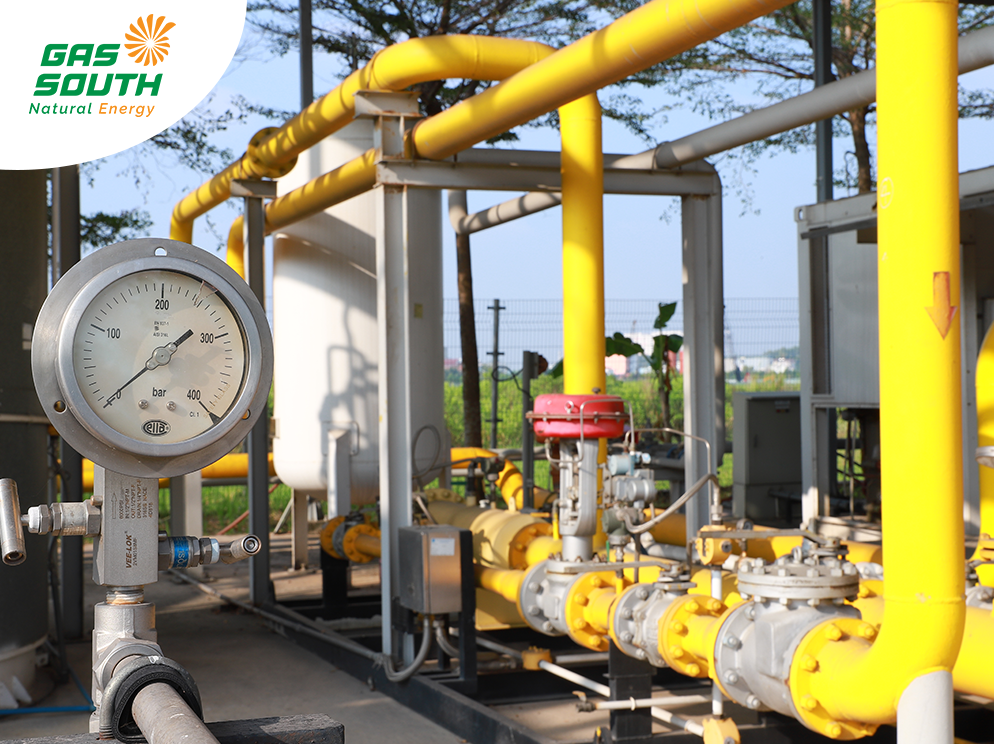
a. Compressors


Compressors are the heart of any gas compression system. They are responsible for increasing the pressure of the natural gas, allowing it to flow through pipelines with ease. Different types of compressors, such as reciprocating, centrifugal, and screw compressors, are utilized based on factors like flow rate, pressure requirements, and operational conditions.


b. Prime Movers


Prime movers provide the necessary power to drive the compressors. Commonly used prime movers include natural gas-fired engines, electric motors, and turbines. The selection of the prime mover depends on factors like energy availability, environmental regulations, and cost-effectiveness.


c. Cooling Systems


Compression generates heat, which must be dissipated to maintain the efficiency of the compression system. Cooling systems, such as air coolers or water coolers, prevent the compressors from overheating and ensure their optimal performance.


d. Filtration and Separation Equipment


To protect the compressors from contaminants and moisture present in the natural gas, filtration and separation equipment are employed. Filters remove solid particles and impurities, while separators remove liquids or moisture from the gas stream, ensuring clean and dry gas enters the compressor.


e. Control and Monitoring Systems


Control and monitoring systems are essential for maintaining the operational efficiency of natural gas compression systems. These systems monitor various parameters like temperature, pressure, flow rate, and vibration levels to ensure smooth operation and prompt detection of any abnormalities or failures.


2. Importance of Natural Gas Compression Systems


Natural gas compression systems are crucial for a variety of reasons. Let's explore some key aspects that highlight their importance:


a. Ensuring Efficient Transportation


Natural gas compression systems elevate the pressure of the gas, allowing it to flow through pipelines over long distances. By maintaining the required pressure levels, these systems enable efficient transportation of natural gas from production sites to distribution centers or end-users.


b. Maximizing Pipeline Capacity


Compression systems increase the capacity of pipelines by maintaining constant pressure levels. This allows for higher volumes of natural gas to be transported within a given timeframe, maximizing overall pipeline efficiency.


c. Reducing Environmental Impact


Efficient compression systems minimize natural gas leakage during transportation. As natural gas is a cleaner-burning fuel compared to other fossil fuels, reducing leakage helps in curbing greenhouse gas emissions and mitigating environmental impact.


d. Enhancing Safety


By ensuring steady gas flow, compression systems prevent the formation of stagnant pockets within the pipelines. This reduces the risk of explosions or accidents caused by the accumulation of flammable gases.


e. Supporting Industrial Applications


Natural gas compression systems are vital for numerous industrial applications that rely on natural gas as a primary energy source. Industries such as power generation, manufacturing, and petrochemicals require a consistent supply of compressed natural gas for their operations.


3. Benefits of Efficient Natural Gas Compression Systems


Efficiency is a key factor when it comes to natural gas compression systems. Here are some significant benefits that efficient systems offer:


a. Cost Savings


Efficient compression systems consume less energy while delivering optimal performance. This leads to substantial cost savings in terms of fuel consumption and maintenance expenses.


b. Increased Reliability


Efficient systems minimize downtime and maintenance requirements due to their robust design and improved reliability. This ensures uninterrupted gas supply and reduces production losses.


c. Improved Operational Flexibility


Efficient compression systems provide greater operational flexibility by adapting to varying flow rates and pressure requirements. They can adjust their output based on demand fluctuations, optimizing resource utilization.


d. Extended Equipment Lifespan


Efficient systems operate within optimum parameters, reducing stress on components and extending their lifespan. This results in reduced equipment replacement costs and increased return on investment.


e. Enhanced Environmental Performance


Efficient compression systems contribute to environmental sustainability by minimizing energy consumption and reducing greenhouse gas emissions. They align with global efforts towards cleaner energy production and consumption.


4. Maintenance and Best Practices for Natural Gas Compression Systems


To ensure optimal performance and longevity of natural gas compression systems, proper maintenance practices must be followed. Here are some essential maintenance tips:


a. Regular Inspection and Monitoring


Frequent inspections of compressors, prime movers, cooling systems, filters, and control systems are necessary to detect any abnormalities or signs of wear and tear. Monitoring various parameters like pressure, temperature, vibration levels, and fluid levels helps identify potential issues before they escalate.


b. Lubrication Management


Appropriate lubrication is crucial for the smooth operation of compressors. Regular oil analysis, lubricant replacement, and adherence to manufacturer guidelines for lubrication intervals are essential for maintaining optimal performance.


c. Filter Replacement and Cleaning


Filters should be regularly inspected and replaced or cleaned as per manufacturer recommendations to prevent contaminants from entering the compressor system. Clean filters ensure efficient operation and minimize the risk of damage to components.


d. Cooling System Maintenance


Cooling systems should be regularly inspected for cleanliness and proper functioning. Clean heat exchangers and cooling fins ensure efficient heat dissipation and prevent overheating of compressors.


e. Training and Education


Providing proper training to operators regarding equipment operation, maintenance procedures, safety protocols, and emergency response is crucial for optimal system performance. Regular training sessions help keep operators updated with the latest practices in the industry.


Conclusion


Natural gas compression systems are essential for efficient and reliable transportation of natural gas across long distances. By understanding their components, importance, benefits, and maintenance practices, we can appreciate their role in ensuring a consistent supply of natural gas for industries and households alike. Implementing efficient compression systems not only enhances operational performance but also contributes to environmental sustainability in our quest for a cleaner energy future.

seoprojectpgs 發表在 痞客邦 留言(0) 人氣()

« 1 2
Blog Stats
⚠️

成人內容提醒

本部落格內容僅限年滿十八歲者瀏覽。
若您未滿十八歲,請立即離開。

已滿十八歲者,亦請勿將內容提供給未成年人士。